

Reliable data flow
Integrated systems reduce handoffs, duplicate entry and confusion about which source of data should be trusted.
System integration improves interoperability, consistency of data and process continuity, creating the future-ready base needed for automation and AI.
Many organizations reach a point where individual tools work well on their own, but not well together. Integration solves that by creating consistent data movement and clearer process coordination across systems.
It also lays the foundation for scalability and future-readiness, making it easier to expand automation initiatives and bring new technologies into the business without rebuilding everything from scratch.
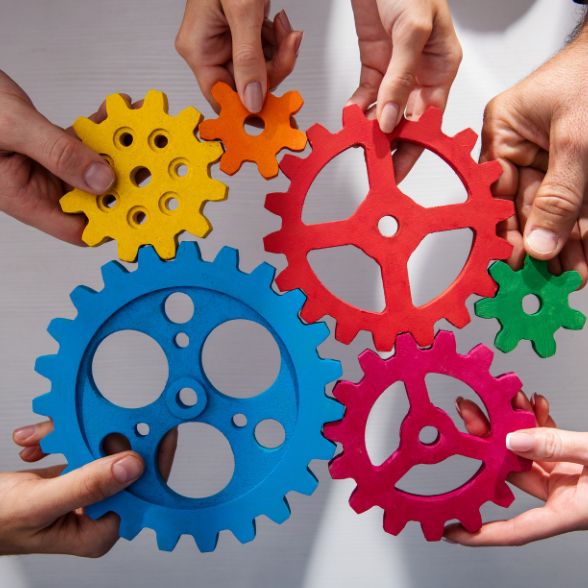
Integration is what keeps a growing system landscape from turning into isolated islands — and what keeps you free to change any single tool later.
Integrated systems reduce handoffs, duplicate entry and confusion about which source of data should be trusted.

Teams can coordinate work more effectively when core systems exchange information cleanly and predictably.

Good integration is often the prerequisite for successful automation, analytics and AI-driven workflows.
Integration sits between digitalization and automation: it needs structured data to work with, and it makes reliable automation possible.

We help teams map their landscape, choose the right integration logic, and build a more future-ready system foundation.